
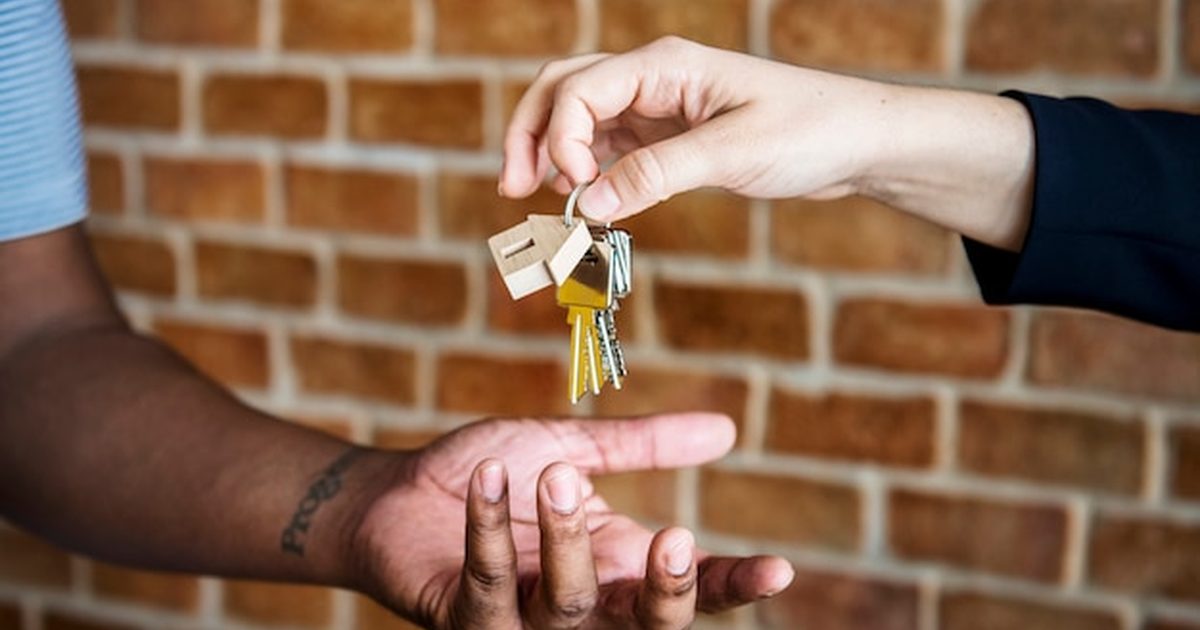
Buying Your First Home in India 2026: Steps, Documents, and Real Costs
If you are buying your first home in India in 2026, plan for the price plus about 7% to 10% extra in costs that do not show on the ad. The big ones are stamp duty (around 5% to 7% of the value in most states), registration (about 1%), plus a home loan processing fee, legal checks, and GST if it is an under-construction flat. So a 50 lakh home really costs you around 53 lakh to 55 lakh by the time you get the keys. Knowing this upfront stops the nasty surprise at the registration office.
The steps are simple to say, harder to do. First, fix your budget and your down payment. Banks do not lend the full price. By RBI rules, for a loan up to 30 lakh you can borrow up to 90% (so 10% from your pocket), for 30 to 75 lakh up to 80% (20% down), and above 75 lakh only 75% (25% down). Next, get your loan pre-approved so you know your real budget. Then shortlist the property, check it legally, agree a price, pay a token, sign the sale agreement, then register the sale deed at the sub-registrar office and pay stamp duty. Finally, get the keys and mutate the property to your name.
Now the documents. The home you buy is only as safe as its papers. Ask for the title deed (proves the seller really owns it), the sale deed, and the encumbrance certificate (EC), which shows the property has no loan or legal dues sitting on it. Banks usually check the EC for the last 13 to 30 years. Also check the khata or property tax record, the approved building plan, and for ready flats the occupancy certificate. Get a lawyer to verify all this before you pay a single rupee beyond the token. This is the step scammers count on you skipping.
On help with money, PMAY Urban 2.0 is live (running 2024 to 2029) and gives first-time buyers an interest subsidy if your household income is up to 9 lakh a year and no family member owns a pucca house anywhere in India. It gives 4% interest help on the first 8 lakh of the loan, up to about 1.8 lakh total, paid in yearly parts. Home loan rates in June 2026 start around 8.4% to 8.5% at the big banks, depending on your credit score.
The home price is never the full cost. Always budget another 7% to 10% for stamp duty, registration, and fees.
This is general information, check the official source before you act. Rates, stamp duty, and scheme rules change by state and by year.
Planning a home purchase with family or comparing builders? You can create a free form or survey on SurveyHeart to collect quotes, list documents, or compare options in one place.

 Copy Link


